
-
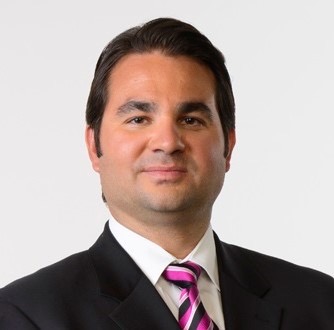
Breast pathologist Dr. Robert Guarino explains what happens behind the scenes after a biopsy and why pathology is an important part of the broader breast care process.
New York, USA, Aug 18, 2026, ZEX PR WIRE — For a patient undergoing a breast biopsy, the procedure itself may feel like the most visible part of the diagnostic process. Yet once the tissue has been collected, another important stage begins behind the scenes.
.jpeg)
That is where the pathologist enters the picture.
Dr. Robert Guarino, a physician with specialized training and extensive experience in breast pathology, says understanding this part of the process can give patients a clearer picture of how multiple medical specialties contribute to breast care.
“Serving my community by using my expertise and talents that I have developed over many years of training and clinical practice” has been a central motivation throughout his career, Guarino said.
What Does a Breast Pathologist Do After a Biopsy?
Pathology is the medical specialty focused on examining tissue and other specimens to understand disease. In breast pathology, that work can involve evaluating tissue collected during biopsies or surgical procedures and reporting findings that become part of the patient’s broader clinical picture.
The work often happens outside the patient’s view. A patient may interact directly with a radiologist, surgeon, oncologist, nurse, or other member of the care team, yet never meet the pathologist who examines the tissue.
That does not make pathology an isolated specialty. Guarino views it as part of a collaborative process in which professionals with different areas of expertise contribute information needed to understand breast disease.
His own path toward the specialty included years of pathology training followed by advanced fellowship training at The Mount Sinai Hospital in New York. He completed surgical pathology training before undertaking a dedicated fellowship in breast pathology.
For Guarino, the foundation of the work begins with what he calls a “very strong knowledge base.” He believes that knowledge must be accompanied by “a dedication and passion to your career duties” and a commitment to helping people dealing with breast disease achieve positive outcomes.
Why Breast Pathology Requires Specialized Knowledge
Breast disease can present pathologists with both common findings and unusual diagnostic questions. Developing expertise in the field therefore involves more than completing formal medical training. It also requires keeping up with an evolving body of medical literature and continually sharpening professional judgment.
Guarino has contributed to scholarly work involving some of those less common questions.
His academic record includes a case report on an acantholytic variant of metaplastic squamous cell carcinoma of the breast, described as a rare diagnostic entity with differential diagnostic challenges. He also contributed to work involving metastatic breast carcinoma identified in an endometrial polyp. Both were presented at the College of American Pathologists annual meeting in 2017.
Earlier breast cancer research involving sentinel lymph nodes and axillary recurrence was presented at the 2012 USCAP annual meeting.
For Guarino, cases and research like these reinforce a larger lesson: specialization does not eliminate the need to keep learning.
“I read constantly the literature in breast pathology,” Guarino said, noting that he follows journals and new textbook editions and regularly participates in continuing medical education.
Three Things Patients May Not Know About Breast Pathology
-
Much of the pathologist’s work happens outside the patient’s view.
After tissue is obtained, pathology becomes part of understanding what the specimen shows. The resulting findings can contribute to the information considered by the broader medical team. -
Breast care can involve several specialties working together.
Pathology is one part of a larger clinical picture that may also involve breast imaging, surgery, medical oncology, radiation oncology, genetics, and nursing. Guarino’s experience has reinforced his belief in the importance of contributing specialized knowledge within that broader team. -
Becoming an expert does not mean the learning stops.
Medical literature continues to develop, and unusual cases can present new questions. Guarino says regular reading, new textbooks, continuing medical education, research, and interaction with other physicians have all played roles in maintaining his knowledge.
That commitment has also extended to education. Guarino has taught pathology to medical students and helped educate resident physicians. His academic experience includes a Clinical Assistant Professor appointment in pathology beginning in 2013.
Teaching also connects Guarino to an important part of his own professional development. He identifies Dr. Jonathan Lara and Dr. Ira Bleiweiss as two mentors who influenced him in breast pathology. Years later, educating physicians earlier in their careers has enabled him to participate in the same knowledge transfer.
Ultimately, Guarino measures the value of pathology not by how visible the work is, but by what it contributes to care.
His definition of professional success is straightforward: “Good positive patient outcomes directly related to my service.”
For patients, understanding what happens after a biopsy can also make a complicated medical process a little less mysterious. Behind the specimen and pathology report is a specialty built around careful observation, continued learning, and the provision of information that helps the broader care team understand disease.
About Dr. Robert Guarino
Dr. Robert Guarino is a physician specializing in anatomic and clinical pathology with advanced training in breast pathology. He earned his medical degree from UMDNJ-New Jersey Medical School after completing undergraduate studies in biological science at Rutgers University. He later completed pathology residency training and served as chief resident before pursuing fellowship training in surgical pathology and breast pathology at The Mount Sinai Hospital in New York City.
Guarino’s professional interests include breast pathology, medical education, and the continuing study of developments in his field. His scholarly activities have included research, case reports, conference presentations, and teaching medical students and resident physicians. His professional record also includes membership in pathology and breast disease organizations, as well as an unrestricted New York State medical license.
The Post Dr. Robert Guarino Highlights the Critical Role of Pathology in Breast Care first appeared on ZEX PR Wire
